


At some point in the late 2000’s, a good friend of mine asked me to go see a new apartment they were really interested in renting. This apartment was not in an up-and-coming neighborhood; it was a run-of-the-mill blue-collar kind of a place. In this low demand area, there was no pressure to sign in the next 48 hours or lose the apartment, no long queues at open houses, and definitely no one was putting in rent offers above the asking price. These were the days when most Americans still thought of Brooklyn as it was in the 1970s, riddled with crime, dilapidated buildings, and filled with people who could not afford to escape to the suburbia. So, I hopped on a southbound subway R train to be a good friend to help weed out crappy apartments and shitty landlords.
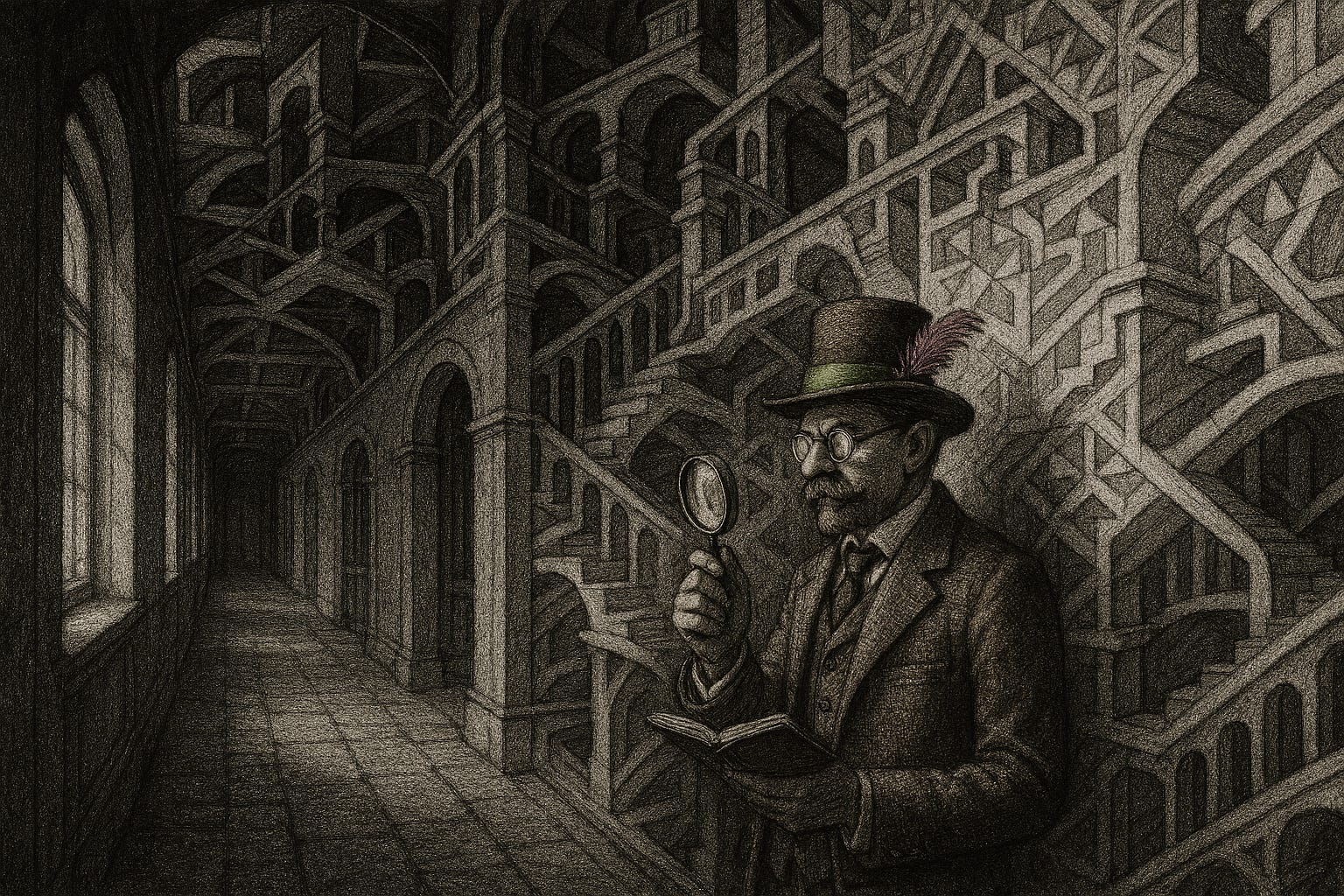
By now, I am sure you have heard the term “landlord special” more than a few times to describe how some owners treat their property. If not, “landlord special” is the home‑improvement equivalent of putting lipstick on a raccoon: a fast, cheap, suspiciously shiny “fix” that solves nothing but looks acceptable from six feet away if you squint and the lights are off. Like all things, landlords come on a spectrum: from those who deserve to go to jail to those making sure loving families have a place to raise a family. As someone who has seen this business from the inside for almost 30 years, I have come to the conclusion that there are four basic categories of landlord quality.
Over the years, I’ve learned that the real story of a building isn’t in the listing photos, it’s in the tiny decisions an owner makes when no one is watching. The trim that doesn’t quite meet the wall, the outlet that was “good enough,” the paint job that stops half an inch before the corner. These details reveal the mindset behind the property, and once you start noticing them, you can’t unsee them. They’re the breadcrumbs that tell you exactly what kind of owner you’re dealing with.
The Operator - this owner understands that they are investing in a property, a town, and its people. Continuously maintaining and upgrading properties to drive the highest quality customers and premium top-of-the-market rents. This does not mean luxury it means that even if you own a trailer park, you target the best trailer park residents in your area. This operator knows that quality tenants will dramatically reduce operating headaches and ensure more consistent cash flows. Most importantly when the time will come to sell the property it will bring a premium for it’s exceptional level of maintenance and top-of-market rents.
The Investor - this type of landlord fails to understand that they are providing a service to customers, they think they own some kind of bond that pays a dividend with no attention work or reinvestment. While they understand how to maintain the value of the asset, fix and maintain the property, they never really invest to dramatically improve their property. These landlords create flip opportunities for future buyers. They refuse to make upgrades that will drive value to the next owner since some cannot be captured by raising rents. In the end, failing to combat the aging of a property will slowly erode value and lead to sales at the bottom of the appraisal comps range.
The Honest Slumlord - this owner will only act when they are forced to by the authorities. They see tenants as walking ATMs that “owe” them money every month. If you walk into an apartment showing in a unit that had clearly not been cleaned, see messes behind the kitchen stove, and everything painted over with way too many layers of paint these are the primary clues. The best thing about this type of landlord is that their lack of shame makes it so much easier to identify them and see through their bullshit. That said, many of these lanlords provide low cost alternatives, so long as you are willing to struggle to get everty fix done.
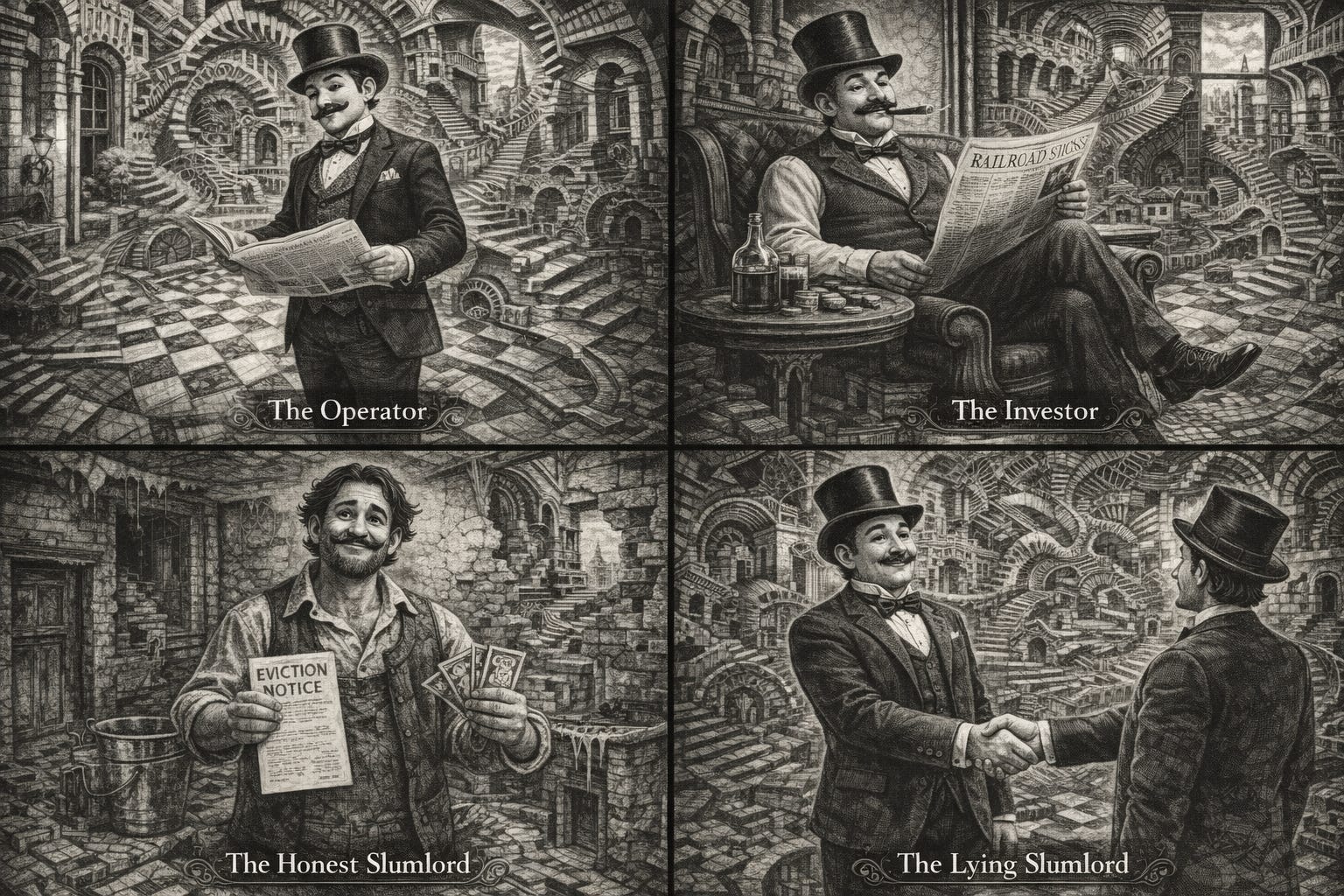
The Lying Slumlord - this type of landlord is a little hard to detect. This type of landlord cleans and repairs place before renting them out, giving you the impression of a professional operator. In reality, they will cover over dangerous defect and hide everything. Some of these landlords have tens or hundreds of violations that had been left unaddressed for years. The difference is that they put on a good show when you are renting your place, but if you find the building is infested with roaches or mice, get ready for dealing with the smallest and dirties roommates that you can never evict.
There was an NYC landlord whose buildings went months without heat, hallways dark because the wiring was never repaired, front doors that wouldn’t lock, and ceilings that sagged from leaks no one bothered to trace. HPD issued violations; he shrugged. Judges issued repair orders; he ignored them. Eventually the city stepped in, made the emergency fixes themselves, and sent him the bill, which he also ignored. By the time the marshal came knocking, it wasn’t about the broken boilers or the mold‑choked bathrooms anymore. It was about contempt the simple truth that you can only defy the law for so long before the law comes looking for you. And so he spent his days in a Rikers jumpsuit, a reminder that in housing, neglect isn’t just bad business; it can become a jail‑worthy choice.
It does not matter if you are a potential owner or potential tenant, understanding who is on the other side of the deal from you is crtical to understand the consequences of their behavior, there is a lot to read into from what is shown and what is hidden. As a potential tenant, they key is to understand how the relatioship with your landlord is likely to take shape. Sometimes, accepting a less than ideal landlord, may be a good tradeoff if the rent is cheap enough. The hardest part is assessing how much bullshit you will have to deal with before you get yourself tied up in a transaction that is really really hard to get out of. As a potetial buyer, you need to have your head on a swivle when it comes to identifying places when negtive value can be hidden: painting over black mold, buried oil tanks, foundation damage, and many others.
Once you start reading a building the way an operator does, you realize you are not just inspecting materials and systems. You are studying the person who made the decisions behind them. Every shortcut, every overpainted detail, every oddly timed repair is a clue about how this counterparty behaves when pressure shows up. That is why I treat the early phase of any deal as a quiet diagnostic. You gather signals, map their habits, and only then bring in the lens of game theory to understand how their incentives shape the moves they are likely to make. Once you see the pattern, you can predict where the friction will come from and design a strategy that increases the probability of extracting real value before their operating style becomes your problem.
When it come to entering into any transaction where you are the customer, you can use general patterns and huristics to analyze the product more deeply. As a potential tenant you need to evaluate the physical space as well as the landlord’s service, you are paying for both. As a buyer, you need to know as much as possible about the property where much of what is most important to know is behind the walls. And once you learn to read those signals, you start to realize you are not just diagnosing a building, you are forecasting the behavior of the person who shaped it. Every landlord type leaves a signature pattern, and once you recognize it, you can impute the problems that are almost guaranteed to surface later. The Operator’s building tells you the surprises will be minimal and the numbers will hold. The Investor’s building tells you the bones are fine but the deferred upgrades will land in your lap. The Speculator’s building tells you the real work hasn’t even started. And the Slumlord’s building tells you to run the other way or price the deal like you are buying a distressed asset at auction. Pattern recognition becomes a form of underwriting. You are not guessing anymore. You are assigning probabilities, estimating the true cost of their habits, and baking that into your offer before the first negotiation even begins. That is how you protect your downside and capture the upside the previous owner never saw.
Ready for more insights from the field? I’ve made the expensive mistakes, so you don’t have to. Subscribe to get weekly strategies, real numbers, and unfiltered lessons from 25+ years of actual deals. No theory, no fluff, just lessons learned and what actually works when your money is on the line.